The United States has formally demanded that the International Maritime Organization (IMO) abandon the "Net Zero Framework (NZF)" and requested the termination of its deliberation on the agenda. This move signifies that global shipping decarbonization is shifting from "technical discussions" to "geopolitical game-playing."
Specifically, in a letter to the IMO, the Trump administration reiterated its "strong opposition" to the "IMO Net Zero Framework," citing "serious flaws" in the proposal. The U.S. stated, "The United States believes that the most appropriate course of action is to fully terminate deliberations on the Net Zero Framework."
Meanwhile, the United States has explicitly expressed its firm opposition to any form of "CO₂ tax," "climate levy," or "global fund" administered by the IMO, directly rejecting the global carbon pricing mechanism deemed critical to the green transition by numerous countries and industry groups.
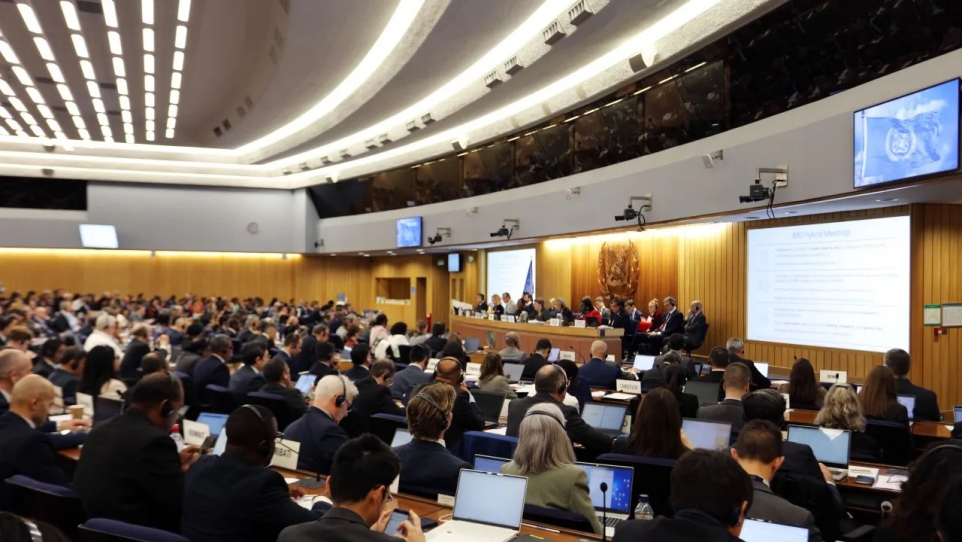
The IMO Net Zero Framework was approved in April 2025 at the 83rd session of the Marine Environment Protection Committee (MEPC 83), becoming a new Chapter 5 added to the draft amendments to Annex VI of the International Convention for the Prevention of Pollution from Ships (MARPOL). The framework comprises a set of international regulations aimed at reducing greenhouse gas (GHG) emissions from ships, aligned with the IMO’s 2023 Strategy on Reduction of GHG Emissions from Ships. It contains two key elements: global fuel standards and a global GHG emissions pricing mechanism.