On March 30 local time, the National Security and Foreign Policy Committee of Iran’s parliament adopted a major bill, formally approving the imposition of tolls on vessels passing through the Strait of Hormuz. The bill also explicitly bans passage by ships from the United States, Israel, and countries participating in unilateral sanctions against Iran, drawing intense international attention. The United States responded swiftly with tough rhetoric, further escalating tensions that bear on the global energy and shipping lifeline.
Under the bill, Iran will establish a toll system settled in its national currency, the rial, to collect passage and service fees from transiting vessels, strengthening its sovereign control and security responsibilities over the strait. Iran also plans to cooperate with Oman to develop a legal framework, maintain the dominant position of its armed forces in the strait, and formalize previously informal security passage arrangements.
U.S. Response: Tough Warnings Coexist with Diplomatic Buffer
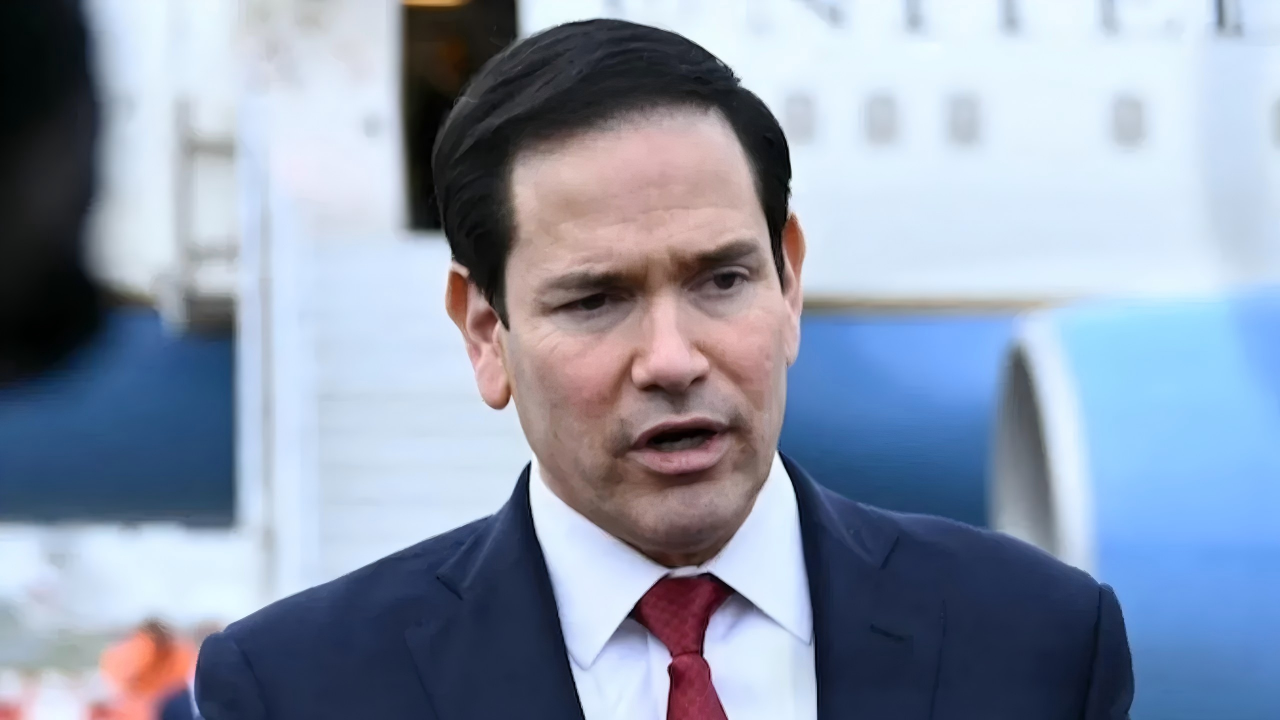
On March 30, U.S. Secretary of State Marco Rubio publicly stated that the United States will never allow Iran to permanently control the Strait of Hormuz or establish a toll system, and warned that Iran would face "severe consequences" if it blocks the strait after the conflict. He also revealed that Washington aims to achieve its military objectives against Iran "in weeks, not months," while noting that President Trump prefers a diplomatic approach and is advancing negotiations through intermediaries, leaving room for diplomatic efforts.
In addition, White House Press Secretary Karoline Leavitt stated that U.S.-Iranian dialogue remains ongoing and is progressing smoothly. President Trump has extended the deadline for Iran to "open the strait" to April 6, in a move to avoid an immediate escalation of tensions.
Impact Assessment: Shipping and Energy Markets Face Turbulence
The Strait of Hormuz is the world’s most critical oil transit chokepoint, handling approximately 20% of global oil trade. The implementation of Iran’s toll bill will directly drive up costs for shipping companies, forcing some vessels into a dilemma: pay tolls for passage or reroute via the Cape of Good Hope. Rerouting would add 10–15 days to voyages, increase costs by millions of US dollars, and push up global energy prices.
For the shipping industry, route adjustments, demurrage risks and changes in surcharges may become the new norm, requiring close monitoring of subsequent details such as toll rates and licensing procedures. International divisions are pronounced: many countries condemn the bill for undermining freedom of navigation, yet shipping companies may have to adapt to the new transit rules.
At present, the bill still needs approval by the full parliament, with specifics including toll amounts and enforcement dates yet to be finalized. Future US-Iran rivalry and international responses will directly shape the order of passage through the strait, meaning global shipping and energy markets must remain alert to escalating risks.