Tensions remain high in the Middle East, once again impacting regional maritime security. On 16 March local time, key oil facilities at the UAE’s energy port of Fujairah were hit by a drone strike, triggering a fire and forcing a suspension of oil loading operations.
This marks the second major disruption at the port in less than three days. As a critical energy and shipping hub outside the Strait of Hormuz, the incident will have a knock�on effect on oil loading and unloading operations, vessel bunker fuel supplies, and booking arrangements.
Fujairah Port Hit by Two Attacks and Fires in Three Days
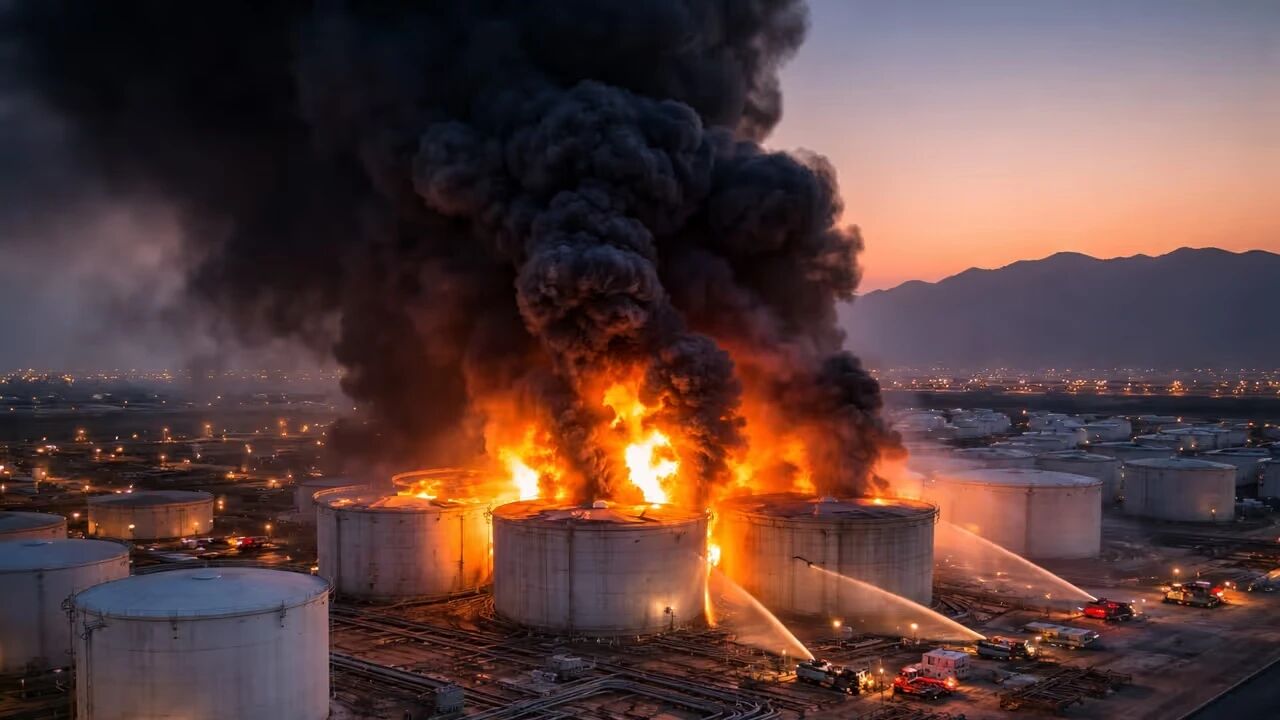
The Fujairah Media Office of the United Arab Emirates issued a statement on Monday, 16 March, stating that a fire broke out at an oil industrial facility following a drone strike. Local emergency services responded promptly to the scene, and the fire has now been brought under control with no casualties reported. This is the latest in a series of recent attacks targeting the port.
Footage from the scene shows large plumes of smoke rising over the port area after the attack. Several international media outlets, citing port sources, reported that oil loading operations have been temporarily suspended due to the fire, while assessments are being carried out on the damage to the facilities. Authorities have not yet disclosed the full extent of the losses caused by the fire, nor have they announced a timeline for the full resumption of operations. No responsible party for the drone strike has been identified, and investigations are ongoing.
Notably, the port suffered a similar attack only last Saturday, when a fire broke out at oil storage facilities, disrupting oil loading/unloading operations and some container feeder services for approximately one day. Operations resumed on Sunday. The two consecutive attacks have once again raised concerns over the security situation at this vital energy hub in the Gulf.
Attacks May Disrupt Bookings at Port of Fujairah
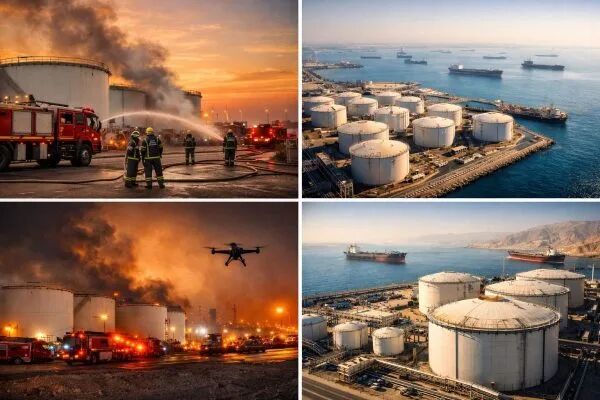
Amid escalating security tensions in the Middle East, several shipping lines had previously imposed temporary restrictions on some UAE ports. For instance, MSC and Hapag-Lloyd had suspended portions of their booking services involving Fujairah.
However, other carriers have maintained services to the port. COSCO Shipping and CMA CGM have kept their booking arrangements available; notably, CMA CGM announced on March 11 that it was resuming import and export bookings for Fujairah.
Yet the successive attacks may alter this situation.
Industry analysts note that if security risks at the port continue to rise, shipping lines may re-evaluate their operational strategies, and a resumption of restrictions or even full suspension of booking services for Fujairah cannot be ruled out. Should this occur, already tight shipping capacity in the Middle East could tighten further.
Against the backdrop of overlapping risks in the Red Sea and security pressures in the Strait of Hormuz, few ports have been able to maintain normal operations. A sustained impact on Fujairah’s cargo handling and bunkering capabilities would place new strains on the regional shipping network.
This could not only cause vessel schedule delays but also drive up transportation costs and increase uncertainty in global supply chains. For shippers and logistics companies relying on Middle East routes, booking and transport arrangements are likely to face greater volatility in the period ahead.
The Strategic Importance of the Port of Fujairah
Geographically, the Port of Fujairah holds exceptional strategic significance. Located on the coast of the Gulf of Oman, outside the Strait of Hormuz, it is one of the few ports in the UAE that allows crude oil exports to bypass this critical global maritime chokepoint.
For this reason, when shipping risks rise in the Persian Gulf or access through the strait is restricted, Fujairah is often regarded as a vital “safety valve” for regional energy exports and maritime shipping. The UAE and some other Gulf states can direct crude oil directly to Indian Ocean markets via Fujairah, without depending on the Strait of Hormuz.
At the same time, Fujairah is a major global energy and maritime refueling hub. As one of the world’s leading petroleum storage centers, it is also the world’s third-largest vessel bunkering port and one of the largest marine fueling hubs in the Middle East. Numerous tankers and container ships refuel here before proceeding to routes serving Asia, Europe, and Africa.
During periods of heightened regional tensions, the port also acts as an alternative gateway. When operations at ports inside the Persian Gulf are restricted, many carriers choose to discharge cargo at Fujairah, with goods then transported overland to ports such as Dubai or Jebel Ali.
Against the current backdrop of rising regional security risks, the stable operation of the Port of Fujairah is therefore critically important to the regional shipping network.