Following the joint strikes against Iran by Israel and the United States, the security situation in the Middle East has escalated sharply. The Red Sea–Suez Canal route, which had just been under consideration for tentative resumption, has once again been pushed into a high-risk state. Notably, the Houthis have explicitly stated that they will resume attacks on merchant ships in the Red Sea and surrounding areas, as well as on Israeli and US targets, in solidarity with Iran. The United States has also issued a warning that it cannot guarantee the safety of neutral merchant vessels.
Strait of Hormuz: The EU said it had received a VHF radio message from Iran stating that "no vessels are allowed to pass through the Strait of Hormuz." Many major global oil companies and trading giants have announced the suspension of their oil tankers and fuel vessels transiting the strait. Monitoring data shows that the speed of oil tankers near the strait has generally dropped to zero, and shipping has largely come to a standstill.
Red Sea: Shipping lines including Maersk have urgently adjusted their routes, making the voyage around the Cape of Good Hope in Africa a practical option. Industry assessments indicate that a full resumption of European routes via the Red Sea between June and August 2026 is highly unlikely.
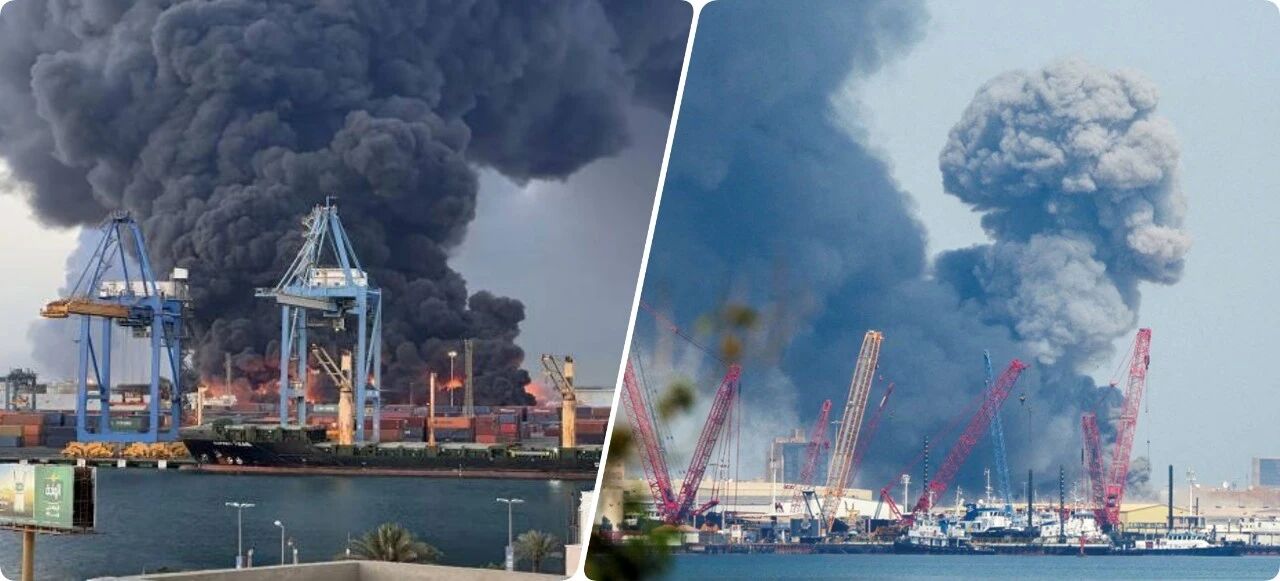
Conflict escalates, shipping risks surge sharply
BIMCO issued an immediate risk alert stating that the military operations by the United States and Israel have significantly raised the security threat level in the Persian Gulf and surrounding waters.
Jakob Larsen, Chief Security Officer of BIMCO, pointed out that vessels with commercial ties to the United States or Israel are more likely to become potential targets, while other merchant ships also face risks of being struck by mistake or targeted deliberately.
The United States has warned shipping companies that the U.S. Navy has established "Maritime Warning Areas" in the Persian Gulf, Gulf of Oman, North Arabian Sea, and the Strait of Hormuz. It emphasized that military operations are underway in these waters and that the safety of neutral merchant vessels cannot be guaranteed.
There is widespread industry concern that any disruption to the Strait of Hormuz would directly impact the global energy supply artery, as a large volume of the world’s crude oil and refined products pass through this chokepoint. Any disruption could trigger a chain reaction.
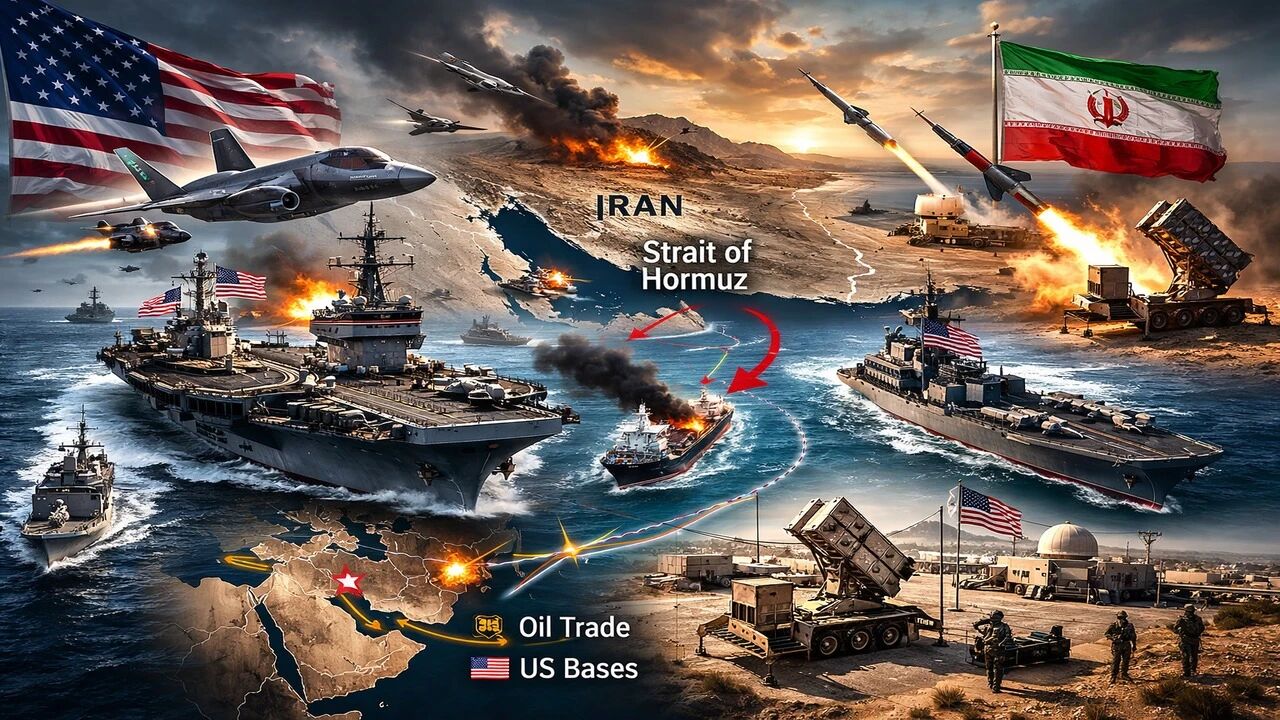
Insurance costs surge, vessels seek safe havens
BIMCO estimates that vessel insurance premiums in the region could rise several-fold. Some vessels with business ties to the US or Israel may even struggle to obtain insurance coverage.
Currently, some vessels already in the Persian Gulf waters are considering seeking refuge in the territorial waters of neutral countries such as the UAE and Qatar. Other shipowners are evaluating the possibility of a full withdrawal from the conflict zone.
Maritime security firm Vanguard Tech has also raised the overall threat level for the Arabian Gulf, noting that missile attacks, air defense interceptions, and military deployments by multiple nations are taking place simultaneously. The risk of misidentification has increased significantly, leaving commercial ships in an increasingly complex situation.
Red Sea situation takes another turn! Maersk diverts routes first, resumption delayed again
The Red Sea issue has long plagued the shipping industry. The Houthi movement in Yemen had previously targeted shipping in the Red Sea, forcing a large number of container ships to divert around the Cape of Good Hope. As a result, global shipping capacity was “stretched,” and freight rates remained at high levels.
Now, the Houthis have announced that they will resume attacks on merchant ships in the Red Sea and surrounding areas, as well as on Israeli and US targets, in solidarity with Iran. This means the recent glimmer of hope for the resumption of normal shipping has been extinguished once again.
Maersk has confirmed that, after assessing the broader operational constraints in the Red Sea, it has decided to re-route some of its services originally scheduled to transit the Suez Canal.
Affected services include:
Some sailings on these routes will again divert around the Cape of Good Hope. This move sends a clear signal that a stable commercial shipping environment in the Red Sea is unlikely to return in the short term. The market widely believes that the possibility of fully restoring Suez Canal transits during the peak European season from June to August this year has dropped significantly.
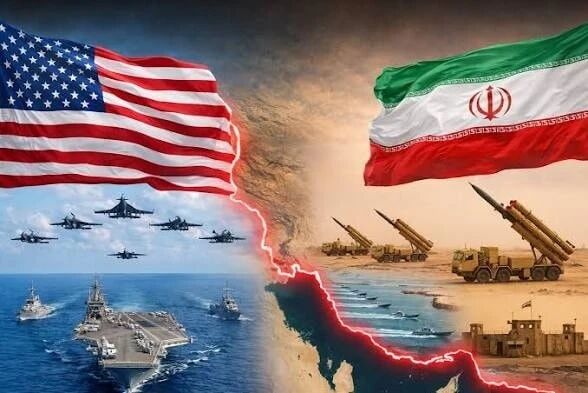
The Critical Variable: Strait of Hormuz
The Strait of Hormuz is one of the world’s most sensitive energy transit routes. Iran has the capability to disrupt shipping in the short term, but industry assessments suggest the United States could reinforce military escort deployments within days to maintain basic shipping order.
However, as long as the conflict persists, insurance premiums, war risk surcharges, and risk rates will remain elevated. There is often a significant difference between “safe passage” and “commercially viable passage”.
According to Israeli media reports, Iran has closed the Strait of Hormuz, issuing warnings via VHF radio that all vessels are prohibited from transiting the strait.
Following the strikes on Iran, many major global oil companies and trading giants have formally announced the suspension of their oil and fuel tankers from passing through the Strait of Hormuz.
As reported by CCTV, real-time data from international tanker traffic monitoring systems shows that the speed of tankers in the waters surrounding the Strait of Hormuz has generally dropped to zero, indicating that shipping in the area has come to a standstill.
Meanwhile, several European governments have issued urgent instructions to their flagged tankers at sea, strictly prohibiting passage through the Strait of Hormuz to avoid security risks posed by the escalating situation.