As exports of crude oil and refined oil products from the Middle East are disrupted, global energy trade flows are forced to restructure. Ultra-long shipping routes from the Atlantic Basin to Asia have grown rapidly, driving an across-the-board surge in freight rates for product tankers and VLCCs (Very Large Crude Carriers). Earnings disclosures from multiple international tanker owners show that the current market boom has not only pushed shipowners’ profits to multi-year highs but also continues to fuel a global upsurge in tanker asset investment and fleet expansion.
On May 7, International Seaways and Ardmore Shipping revealed during their earnings conference calls that the product tanker market has entered an extremely strong phase. International Seaways recorded an average spot daily rate of over USD 100,000 per day for its overall fleet in the first quarter. Meanwhile, Ardmore Shipping’s MR-type product tankers achieved average earnings of USD 52,100 per day. By comparison, the cash operating break-even point for Ardmore’s MR fleet stands at only approximately USD 10,800 per day, with current market earnings nearly five times its operating cost.
The core driver behind the market rally lies in the notable distortion of the global shipping capacity system following disruptions to the Strait of Hormuz. Ardmore President Bart Kelleher stated that around 130 product tankers are currently stranded in the Persian Gulf, forcing a major readjustment of trade flows that previously relied on Middle Eastern supplies. Refineries in the United States, Europe and West Africa are now supplying alternative diesel, gasoline and jet fuel to the Asian market, and these newly formed trade routes are nearly twice the length of the traditional Middle East-to-Asia lanes.
Longer voyage distances mean reduced vessel turnover efficiency, leading to a rapid tightening of global tanker effective available capacity. Kelleher pointed out that the Strait of Hormuz disruption has disrupted roughly 15% of global refined oil trade flows and about 30% of crude oil shipping volumes. Against a backdrop of low inventory levels, such supply chain disruptions have quickly translated into upward momentum for freight rates.
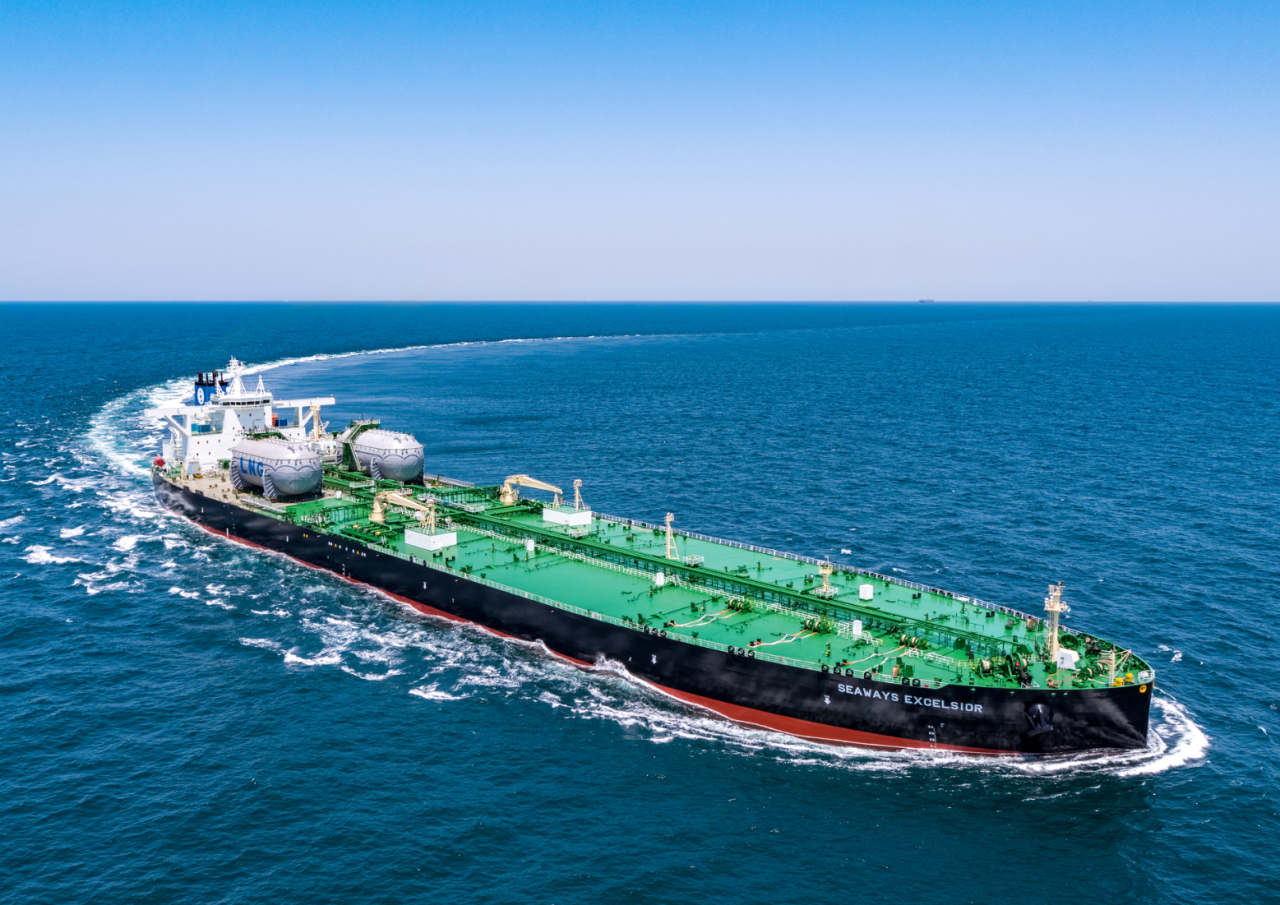
Meanwhile, the structure of global refining margins is also undergoing shifts. Ardmore indicated that refining profit margins in the Atlantic region have risen to a post-pandemic high. As some Asian refineries cut operating rates, a growing volume of alternative refined oil products are shipped to Asia via long-haul routes from the Atlantic market, further boosting U.S. export demand and global tonne-mile demand.
The robust market momentum is also reigniting fleet expansion among shipowners. Even though the current global product tanker orderbook accounts for around 16% of the existing fleet, shipowners remain active in ramping up investments.
Ardmore has ordered two Handysize tankers from Wuhu Shipyard at a unit cost of USD 44.9 million, with an option for additional vessel orders. In addition, the market valuation of three vessels previously acquired by the company has surged by roughly 30% to 35% compared with their acquisition price.
International Seaways plans to take delivery of four new LR1 tankers in 2026 and has chartered in an additional Suezmax tanker at a rate of USD 40,000 per day for a three-year term. At the same time, the company sold seven vessels in the first quarter, netting approximately USD 223 million in proceeds, reflecting that second-hand tanker asset prices are also in a phase of rapid appreciation.
Amid the high market run, shipowners have also adopted a cautious stance on long-term charter parties. While oil companies, refineries and major commodity traders have markedly increased demand for locking in shipping capacity long-term, Ardmore noted that earnings levels for long-term product tanker charters remain significantly lower than spot market rates, prompting the company to hold off on signing new long-term charter agreements.
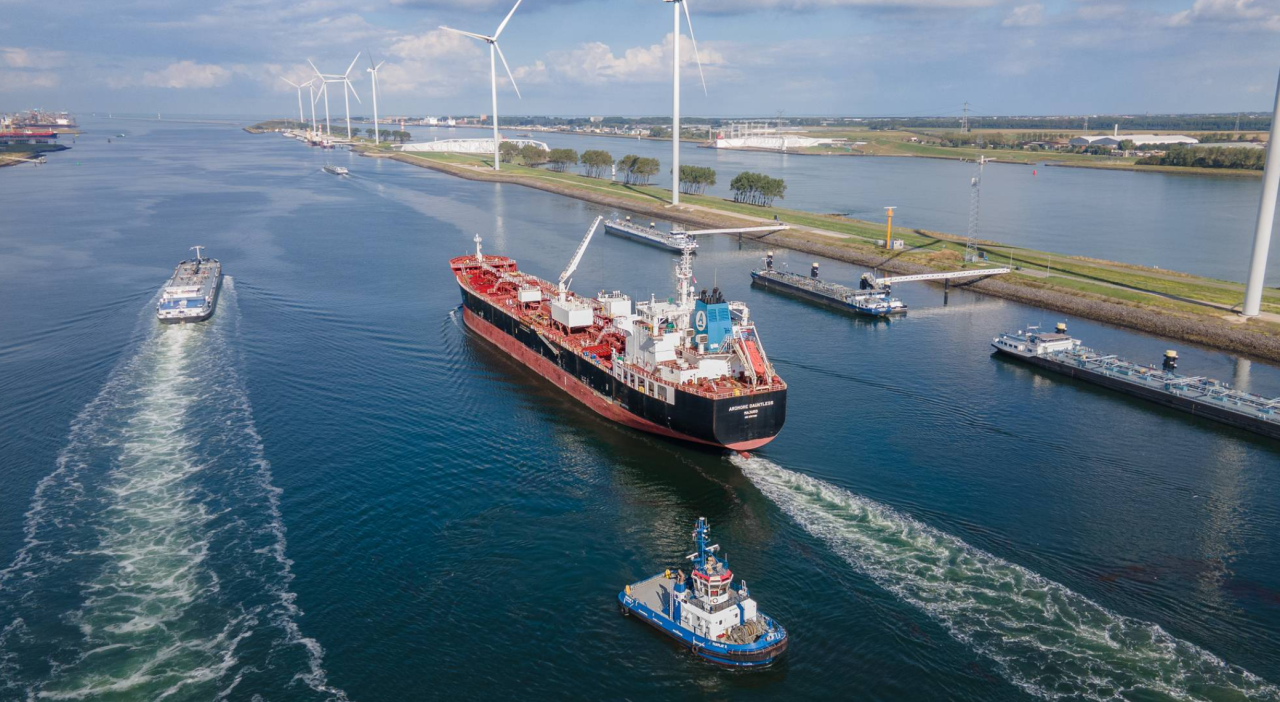
International Seaways likewise prefers to maintain exposure to the spot market. Company management believes that current two-year and three-year time charter rates are still substantially below one-year charter rates and spot market levels, making shipowners more inclined to wait for further market gains.
Compared with the product tanker market, sentiment in the VLCC market is even more bullish. Market sources disclosed that even with freight rates already at multi-year highs, a growing number of VLCC owners are refusing new fixtures, choosing instead to await another potential price surge once the Strait of Hormuz resumes normal navigation.
The current fixture rate for the U.S. Gulf-to-China VLCC route stands at approximately USD 17.25 million per voyage, yet market participants expect the next deal could reach USD 18 million or even higher. Some shipowners even argue that freight rates on the U.S. Gulf-to-China route could break the USD 20 million mark in the short term.
At the same time, major charterers including SK Energy and Chevron are prioritizing securing captive shipping capacity and withdrawing vessels from the open market, further exacerbating tonnage tightness.
From the perspective of current market fundamentals, the current boom is more than just a short-term geopolitical shock; it represents a fundamental restructuring of the global energy trade system. Longer trade routes, constrained effective capacity, persistent inventory declines and shifts in Asia’s refining landscape are collectively propelling the global tanker market into a new high-profit cycle.
Notably, even if geopolitical tensions in the Hormuz region ease in the future, the global market may still face massive inventory restocking demand. Multiple shipowners hold the view that this will sustain strong shipping demand for an extended period, and the current high-profit cycle in the tanker market could prove far more prolonged than previously anticipated by the market.